
 العربية
How the car is processed from exhaust colors
What does the smoke mean from the exhaust of my car?
If you see different colored exhaust fumes, it's time to pay attention to your car. So if your car doesn't flash any warning lights, the smoke coming from the exhaust is a signal that something may not work properly.
What does blue smoke mean from my exhaust?
If you see this type of smoke, check the oil regularly and notice consumption problems through its lack of quantity. While the problem usually requires immediate attention and expensive repairs, including some internal spare parts, if your car is old and the leak is minimal, it can be carefully managed by increasing oil on a regular basis.
Besides environmental damage, burning oil can cause a difficult start, because the process can destroy the car's spark candles.
There's another reason for blue smoke, and that's if the car is powered by a turbocharger; smoke is a sign that the blower needs to be rebuilt or replaced.
What does gray smoke mean from the exhaust of my car?
Gray smoke is difficult to diagnose directly. Like blue smoke, it can mean that the car burns oil or suffers from a bad turbocharger. Take the same precautions as with blue smoke and check for excessive consumption of oil.
Gray smoke can also be a problem in burning automatic transmission fluid into the engine. In this case, the culprit may be the faulty problem of the transmission vacuum, resulting in the transmission fluid being absorbed into the engine and burned.
Moreover, it is stuck, and gray smoke may mean that the PCV valve may be a system (positive utility can ventilation) that reduces harmful emissions by recycling it back into the combustion chamber. However, when pressure can accumulate and lead to oil leakage.
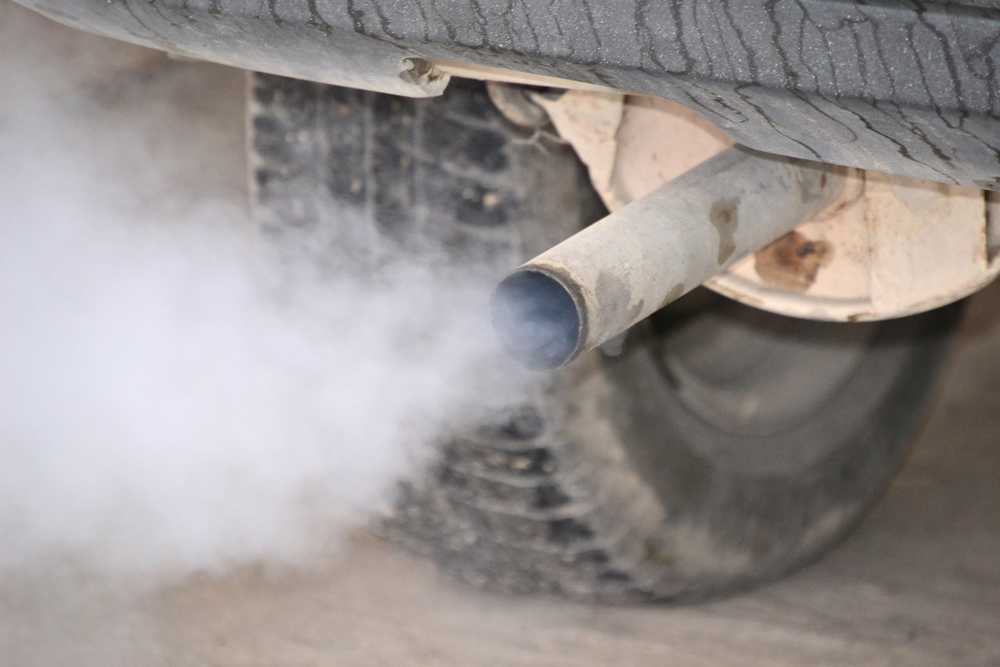
What does white smoke mean from my exhaust?
White smoke cannot be a source of concern if it is thin, such as steam. This may be the result of the accumulation of natural condensation within the exhaust system. This kind of smoke disappears quickly.
However, thick smoke is a major problem and can cause the engine coolant to burn. This can be the result of a serious problem such as blown head stuff, damaged roller head, or cracked engine mass – all costly repairs.
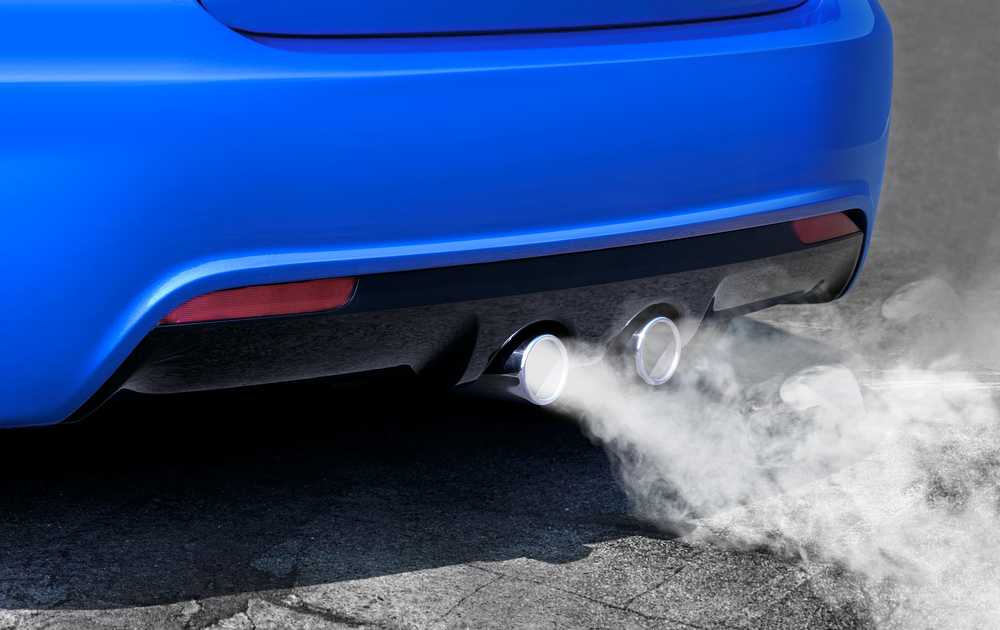
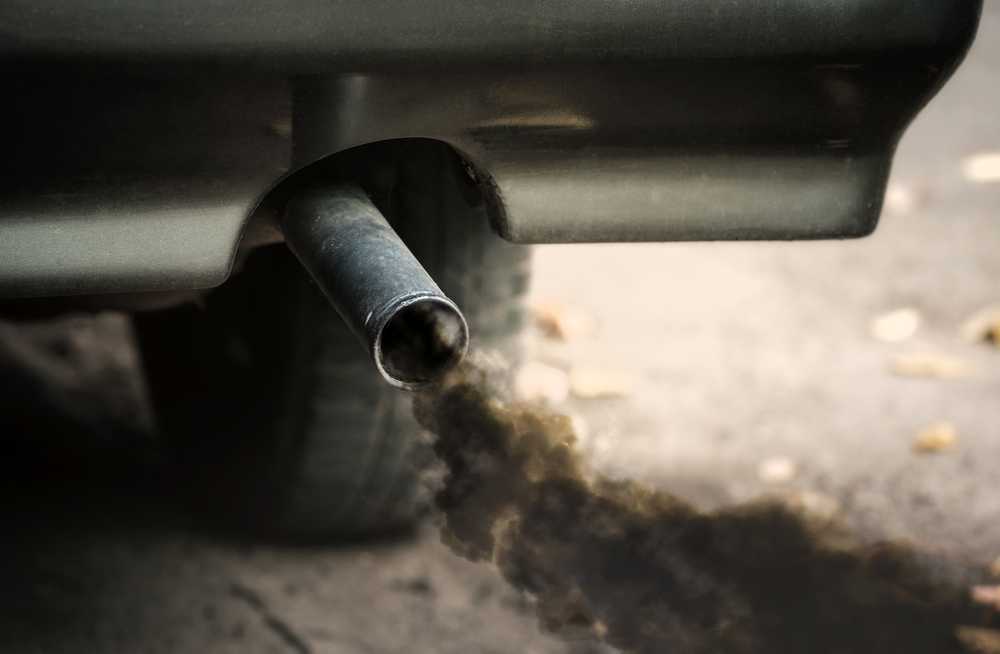
What does black smoke mean from my car's exhaust?
Black exhaust smoke means the engine burns a lot of fuel. The first thing you think you should check is the air filter and other drag components such as sensors, fuel syringes and fuel pressure regulators. Other causes may be the blocked fuel return line. Black smoke is usually the easiest problem for diagnosis and repair, but burning unnecessary fuel will definitely affect fuel economy, so don't think about avoiding this problem to save money, and it won't work.
Any smoke coming from the exhaust pipe in your car is a sign that your car is having a big problem.
The causes of white exhaust smoke can vary; however, it's common to see white exhaust smoke when the car first starts, especially on cold days. This is steam caused by condensation. When the engine heats up and condensation dissipates, white exhaust smoke (steam) can no longer be seen. If excessive white exhaust smoke is well present after heating the engine, it is necessary to check the vehicle for any possible cooling fluid leakage. Include
Internal coolant leak indicators escalate white exhaust smoke accompanied by a sweet smell or low level of coolant tank. Internal coolant leakage can also contaminate engine oil, giving it a milky buttery appearance. Even small amounts of coolant entering the combustion chamber will produce white exhaust smoke.
One of the main causes of white exhaust smoke and radiator loss is the cracked or deformed roller head, cracked engine mass, or head membrane failure caused by overheating. The cracked head of the cooler may allow it to seep into one or more cylinders or into the combustion chamber of the engine. A soiled coolant, a well-maintained cooling system, a low level of coolant or a cooling fan that does not heat the engine can cause the engine to get hotter. In addition, engine erosion can eventually cause fillings to lose their ability to seal properly allowing the internal coolant to be lost. The stuffing of the tow manifold.